By Sofia Baum | 6-minute read
It’s not every day that we get the opportunity to think about our legacy and how we would like to be remembered.
Recently, I had the opportunity to create my will through FreeWill, and I had a much more profound experience than I originally expected. The experience brought a mix of laughter, tears, and bittersweetness. Ultimately, I’m grateful for the opportunity to create, reflect, and set my intentions now for the future I want to leave behind.
Taking the time to intentionally think about—and actively plan for—the people, organizations, and causes who mean the most to me, was a goal I set for myself this summer.
Thanks to FreeWill’s easy-to-use tools, I was able to stay focused on what I value and breeze through the paperwork necessary to make my vision a reality. In total, this process took only 20 minutes.
Learn more about this streamlined process
What does it mean to leave a legacy in Oregon?
I’m deeply honored to share the stories of three incredible women who shaped Oregon’s land use history: Kathleen Lee Carl, Janet McLennan, and Nancie Peacocke Fadeley.
During our July 1 Legacy Story Circle, our staff, board, and Legacy Circle members had the opportunity to learn more about these three remarkable women and reflect on what we love about Oregon, what we want to protect, and what we hope to leave behind for future generations.
It was a meaningful reminder that legacy isn’t just about what we leave behind; it’s about what we choose to carry forward.
Honoring our "Ladies of Land Use"
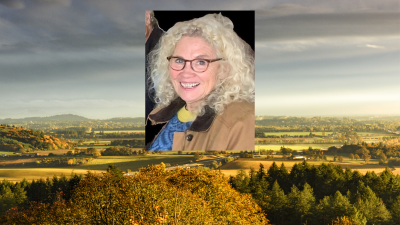
Kathleen Lee Carl
Member from 2004–2022
Kathleen was a tireless advocate for protecting Oregon's farmland from unnecessary urban sprawl, especially some of the world's best farm land in Marion County. She worked with 1000 Friends of Oregon to testify against over-reaching urban growth boundaries, and she supported Columbia Riverkeeper’s work to restrict liquified gas pipelines from being constructed through farmland. In retirement, Kathleen served on the board of Marion County Farm Bureau, advocating for responsible land use.
Remembered as a joyful, energetic leader with a deep commitment to protecting Oregon's working lands, Kathleen’s legacy continues through her writing and charitable planning, including a charitable trust established in her honor.
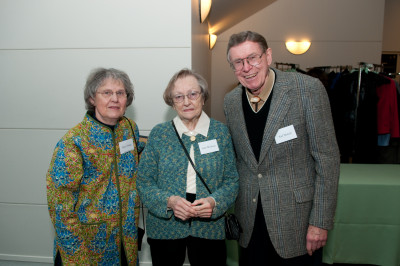
Janet McLennan
Member from 1984–2024
Janet McLennan served as president of the 1000 Friends board. She dedicated much of her career to protecting Oregon’s forests and natural resources, serving not only on our Board but also on the Oregon Board of Forestry and in other leadership roles.
She played a key behind-the-scenes role in the passage of Governor McCall’s Beach Bill in 1967. Janet was also one of two signatories—alongside Bing Sheldon—on the September 12, 1985 restated Articles of Incorporation that officially changed the organization’s name from the Oregon Land Use Project (founded September 20, 1974) to 1000 Friends. In many ways, her leadership helped shape both the identity and long-term continuity of our organization. Learn more about Janet's story here.
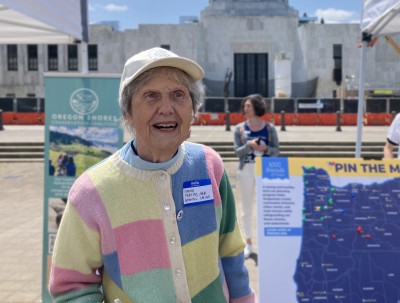
Nancie Peacocke Fadeley
Member from 2013–2023
As chair of the House Committee on Land Use and the Environment, Nancie helped shepherd Senate Bill 100 through the legislature, establishing Oregon's landmark land use system. She went on to sponsor legislation that supported widowed homemakers and reaffirmed the Equal Rights Amendment in Oregon. She chartered an organization that shed light on double standards women face as they age. She worked in public radio and education. She mentored formerly incarcerated Oregonians, gave her time to the League of Women Voters, and—thankfully—shared her skills with 1000 Friends.
Nancie believed Oregon's future depends on the people connected to its farms, forests, and coastlines, and dedicated her life to public service, mentorship, and conservation. Learn more about Nancie's story here.
Reflections from the Legacy Story Circle
The stories of Kathleen, Janet, and Nancie naturally led us to reflect on our own work—and on what it means to be a “friend” of Oregon. Here are some key quotes from our conversation:
“Our statewide system of planning establishes goals and provides a framework within which we can tackle difficult, evolving problems. It is not a rigid sort of thing. It is a dynamic process, and we need to make use of it.”
—Greg Macpherson, 1000 Friends board member and Legacy Circle member
“I love bringing together science and public policy and different issues together and interlocking them. I’m not a single-issue person, and the land use planning program really fits how my brain thinks.”
—Mary Kyle McCurdy, Associate Director and Managing Attorney
“You know we’re in this together. It means something to be one of the 1000 Friends of Oregon… I want to put my legacy into not the wild blue yonder, but something a little bit more practical than that. But creating opportunity for other people who have their feet on the ground to take and bring opportunity to us as the next step, whatever that next step is.”
And, of course:
“Less asphalt, more elevators!”
—both from John Allcott, 1000 Friends Legacy Circle member and former board member
“Just the fact that 1000 Friends of Oregon is around so many years after its founding is really quite a remarkable achievement.”
—Jeff Mapes, board member and chair of the Membership Experience Committee
But longevity alone isn’t enough. As Jeff noted, the organization’s continued existence also speaks to the enduring need for this work.
What will we leave behind?
That is the question I keep coming back to. Kathleen, Janet, and Nancie couldn’t have known we would be sitting together in a room decades later, talking about their work and the Oregon they helped shape.
But they made choices that mattered: They showed up. They advocated. They mentored. They served. They protected the places and values they believed were worth carrying forward.
And now it’s our turn.
Legacy doesn’t have to mean having a building named after you or seeing your name etched into history. As Governor and 1000 Friends co-founder Tom McCall said, “Heroes are not giant statues framed against a red sky. This is my community, and it's my responsibility to make it better.”
Legacy means making sure someone else has an opportunity you didn’t have. It means protecting a farm, forest, coastline, or neighborhood. It means lending your voice to a difficult conversation—or simply making sure an organization and its mission are here for the next generation.
Now, we have the opportunity to carry the work of Kathleen, Janet, and Nancie forward—and to decide what kind of Oregon we want to leave behind for the people who will come after us.
How do I make a will for free?
As I thought about creating my own will, I realized that planning for the future is also a way of participating in it. Now you, too, can document your wishes and help create the future you want for Oregon.
Creating my will gave me a chance to slow down and think about what matters to me. I was able to be intentional about the people, organizations, and movements I care about. I honestly didn’t expect the process to be as emotional as it was, but I came away feeling proud of the choices I made and the contributions I’ve been able to make. It was important for me to include the organizations and movements that are close to my heart.
If you’re ready to create your own will, you can create a profile and follow the eight steps outlined by our partners at FreeWill.
Use this link to create your will for free through FreeWill