Why 2027 is Oregon’s year for transit-oriented upzoning
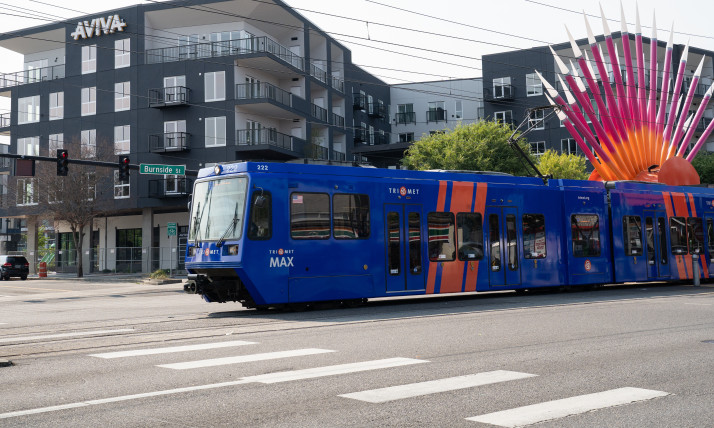
Modeling conducted by our 2026 Gerhardt intern shows that a transit-oriented development bill would significantly reduce both displacement and tailpipe emissions.
Gerhardt alum spotlight: Robb Wolfson
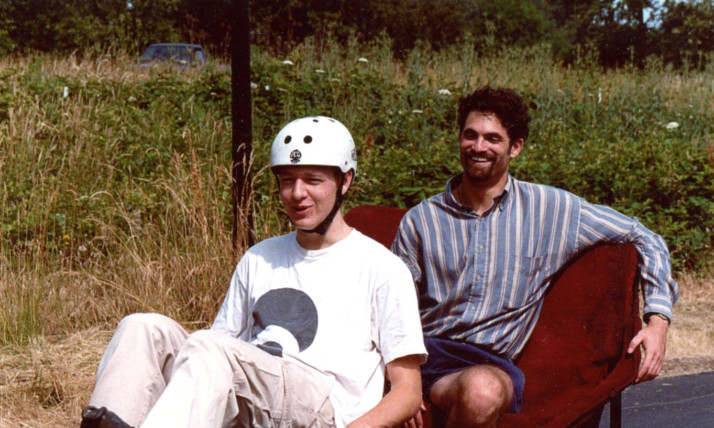
Robb Wolfson was our 2001 Gerhardt intern. 25 years later, he's a legal apprentice with a wealth of life experience that strengthens our work.
How to prepare your home for wildfire resilience
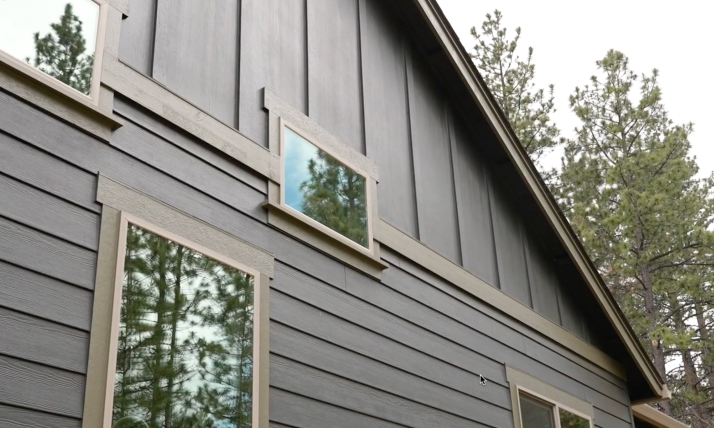
As homeowner and fire risk assessor Christina Meyer says, “Any little opening is an invitation to fire.” In this week’s featured video, she shares easy and even cost-effective ways to close off those fire risks and more effectively protect our homes and communities.
Standing in solidarity with Astoria
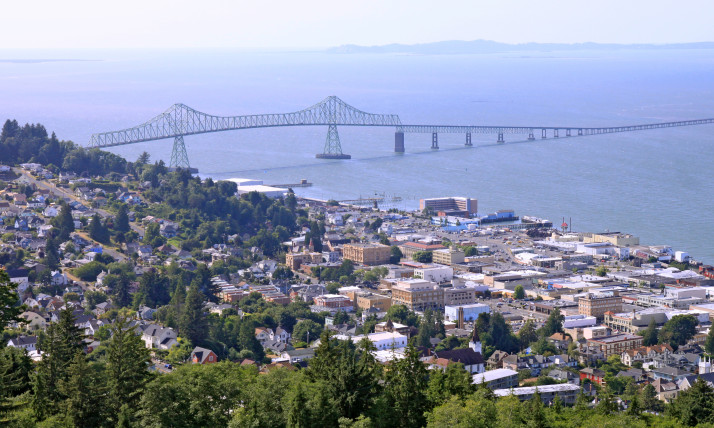
Right now, this campaign needs funding to combat big-money interests that oppose the campaign. Supporters are working hard to raise $5,000 to put up yard signs, send out mailers, and knock on doors. And you can be a part of this effort.
How Sisters, Oregon, is preparing for a wildfire resilient future
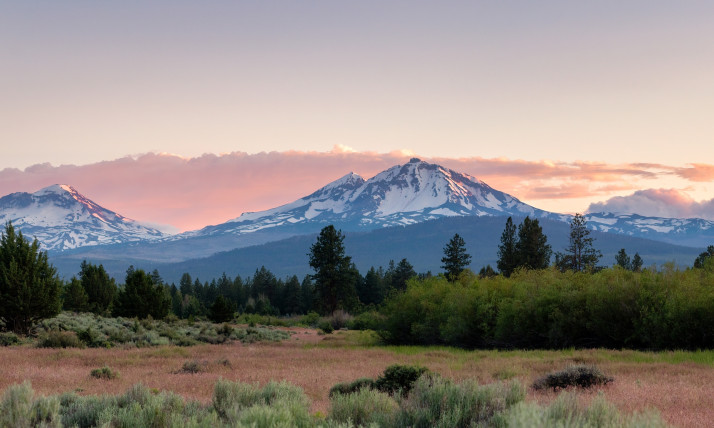
Throughout our Wildfire Wednesday series, we have explored the various actions that individual Oregonians and communities can take to be more wildfire prepared and to reduce the risk of wildfire occurring in their own community. Today, you get to see a concrete example taking place in Central Oregon.
VICTORY: The City of North Plains withdraws from HNA Appeal at LUBA
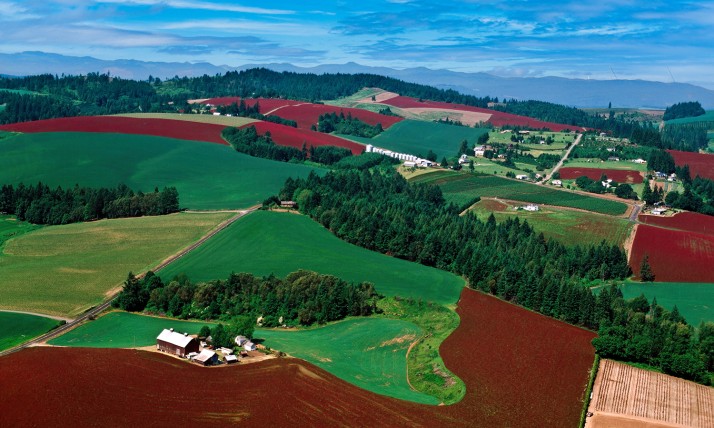
1000 Friends of Oregon recently earned another legal victory—one that helps to ensure that the future growth of Oregon's communities will be based on up-to-date information and a fair public process.
A record-breaking fire season that's not over yet
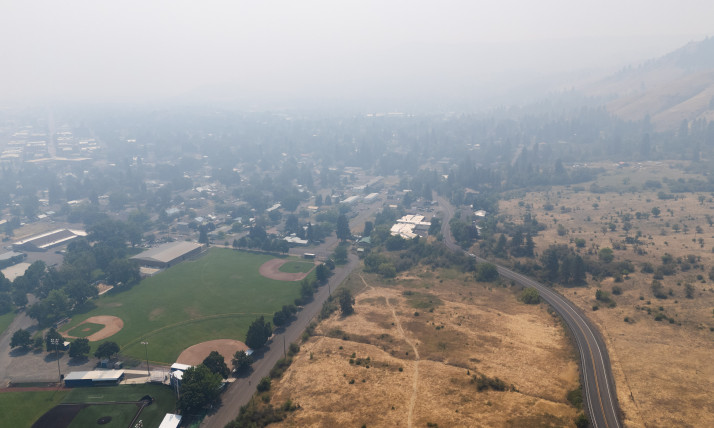
This is an historic season for wildfires, and it’s not over yet. It’s time to take real steps to long-term protection for Oregon's communities, economy, and environment.
VICTORY: Another LUBA remand in Yamhill County
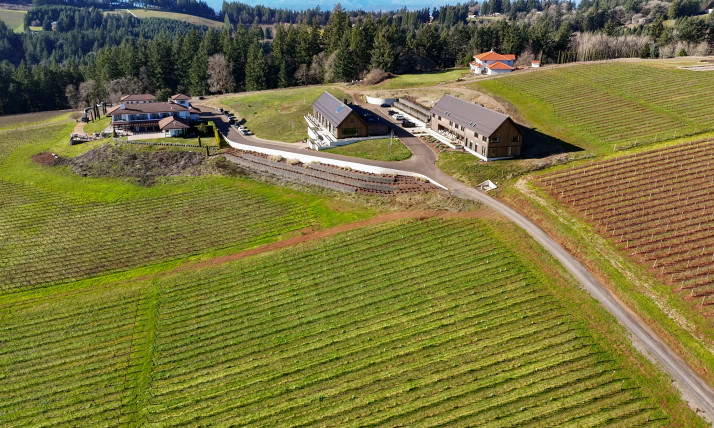
For the second time, LUBA remanded an application in Yamhill County for a conditional use permit to operate a bed and breakfast facility as a home occupation in a farm dwelling on exclusive farm use zoned land.
Build your Oregon legacy this Make a Will Month
Thanks to FreeWill’s easy-to-use tools, I was able to stay focused on what I value and breeze through the paperwork necessary to make my vision a reality. In total, this process took only 20 minutes. Here’s how you can build your legacy, too.
The public health impacts of wildfire smoke
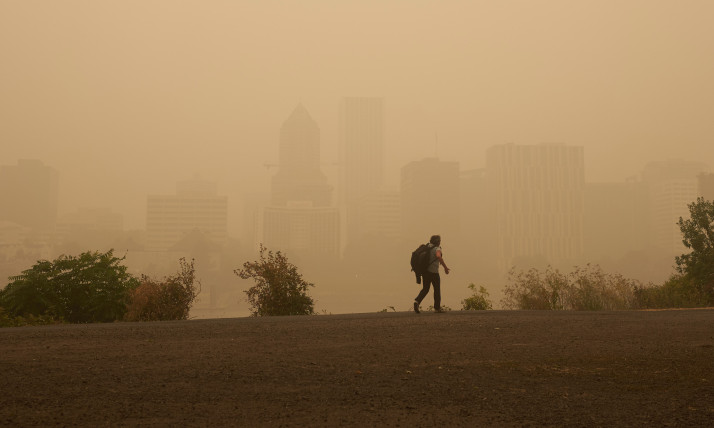
Each wildfire season, wildfire smoke impacts communities throughout Oregon for days and weeks at a time each. The frequency and unpredictability of wildfire smoke means agencies and communities need to be prepared to respond quickly to smoke impacts.