
Introducing 1000 Friends of Oregon's Wildfire Wednesday series
By Mary Kyle McCurdy | 3-minute read
Check out our weekly Wildfire Wednesday newsletter (sign up here) and website updates, and check out our biweekly #WildfireWednesday content on Facebook, Instagram, and LinkedIn. We also would love to hear and amplify your stories; please email us with your ideas!
Wildfire is a natural part of the ecosystem across the Western United States. Tree species like ponderosa and lodgepole pine and animals from native pollinators to woodpeckers and lynx depend on fire to propagate and prosper. Some Indigenous communities have long traditions of using fire to enhance growing food and to sustain habitat for wildlife. This practice is seeing a resurgence among some tribes, including the Karuk, Yurok, and Hupa.
Centuries of colonization and suppression of Indigenous cultures have not only had significant human consequences, but also led to new land management practices being applied across much of North America. These newer practices and their outcomes—including manmade climate change, sprawling development into the wildland urban interface (WUI; see 477.015 Definitions), and over-suppression of natural wildfire—have increased the frequency and intensity of wildfires and expanded the areas where wildfires occur. Today, wildfire and smoke threaten communities in many ways—including long-term health and safety.
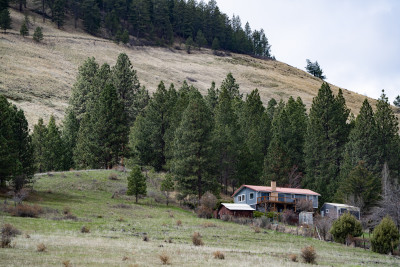
In Oregon, our land use conservation and development system has helped us avoid some of the most devastating impacts of wildfires (so far)—especially our urban growth boundaries, which have prevented us from developing into the WUI at the rate that other western states have. But Oregon risks losing that advantage as developers, private property interests, and corporations increasingly push for expanding UGBs outward. This is occurring in tandem with mounting pressure to allow more commercial uses, tourist destinations, second homes, and subdivisions across our natural landscapes and working lands—especially in the WUI.
Oregon is one of the three northwestern states in which the places where the population is growing at the fastest rate are also the places that are most at risk of wildfires (this is also true for Washington and Montana). In Oregon, over 80% of vacation homes built in recent years have been in or near the WUI.
We are losing the ground (and safety) provided by our compact urban growth boundaries, while housing developers, some politicians, and even some cities continue to push to expand UGBs into areas that are wildfire-prone and, in some cases, have water shortages. These interests hope to make money in the short term, but many will not be around to help pick up the tab and repair the human devastation if these places burn. We can expect to see several bills introduced in the next legislative session designed to push irresponsibly and foolishly sprawling into wildfire-prone areas.
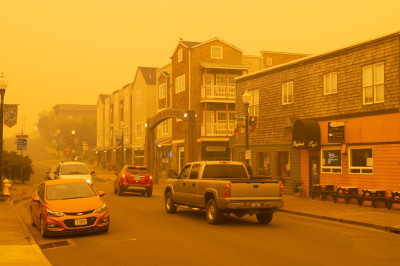
When wildfires occur, they don’t just impact the communities in their path; they also spread smoke far beyond the fire’s boundaries, damage watersheds that provide drinking water for towns and cities, impact insurance rates, and cost every Oregonian as we help pay for recovery and rebuilding. And of course, this is all in addition to the human and financial costs of fighting the fires in the first place.
The increasing cost of wildfires is reflected in bills we all pay—insurance, electric, health care costs, taxes, and more. Oregon's costs for wildfire fighting alone have grown dramatically over the last two decades. The year 2024 was the state’s most expensive fire season to date; fire fighting expenditures were $350 million while almost 2 million acres burned. The cost of rebuilding from the 2020 Labor Day Fires alone is estimated to top half a billion dollars in public funds, in addition to insurance payments and payouts in the billions of dollars from lawsuits against utilities.
This begs the question: Why do we keep making the same mistakes of allowing development in the wrong places, rebuilding in the wrong ways, and expecting the public to pick up the tab for these poor decisions? When, and how, will we learn?
Next Wildfire Wednesday: Accurate information is key to living safely with wildfire.
See all Wildfire Wednesday content here