
Plus, ways to prepare for an emergency and create wildfire-resilient communities
By Mary Kyle McCurdy | 4-minute read
Check out our weekly Wildfire Wednesday newsletter (sign up here) and website updates, and check out our biweekly #WildfireWednesday content on Facebook, Instagram, and LinkedIn. We also would love to hear and amplify your stories; please email us with your ideas!
As we come into the Fourth of July holiday, with its warm weather, fireworks, and backyard barbecues, we thought it would be a good idea to provide an overview of what’s expected for the rest of Oregon’s 2026 fire season.
Current conditions
On June 16, Governor Kotek declared that a statewide state of emergency exists across Oregon “due to the imminent threat of wildfire.” The order will remain in effect until either the threat is significantly relieved, the fire season ends, or December 31, 2026. In addition, 19 of Oregon’s 36 counties are now under drought emergency status.
The statewide wildfire emergency activates the State’s Comprehensive Emergency Management Plan, which coordinates personnel and equipment across all relevant state agencies, including the Oregon State Fire Marshal (OSFM) and the Oregon Department of Forestry (ODF), to evaluate, respond to, and recover from wildfires.
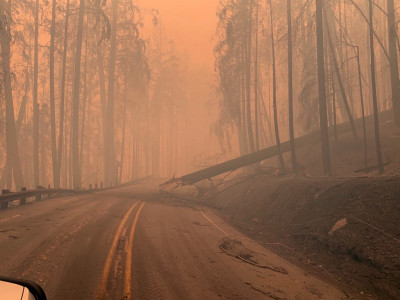
Oregon has already experienced over 400 wildfires this season, burning over 8,000 acres, causing several evacuations, and destroying several structures. Oregon’s first Level 3 (Go Now) evacuation of 2026 happened in La Pine in March, before fire season officially began. This is likely the earliest start yet to a fire season in Oregon, while this past winter tied with 1934 as the warmest on record, creating a record-setting low snowpack (about a third of normal).
Projections for 2026
While wildfire is a natural and needed part of Oregon ecosystems, most wildfires start unnaturally (unintentionally caused by humans), climate change is expanding the intensity and geographical spread of wildfires, and “wildfire season” is now a thing. What does that mean for the rest of 2026?
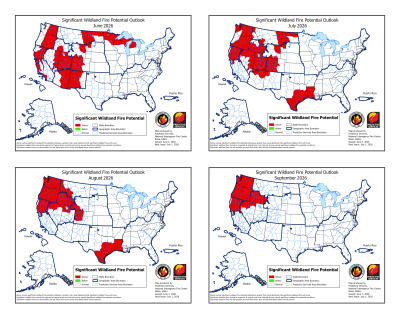
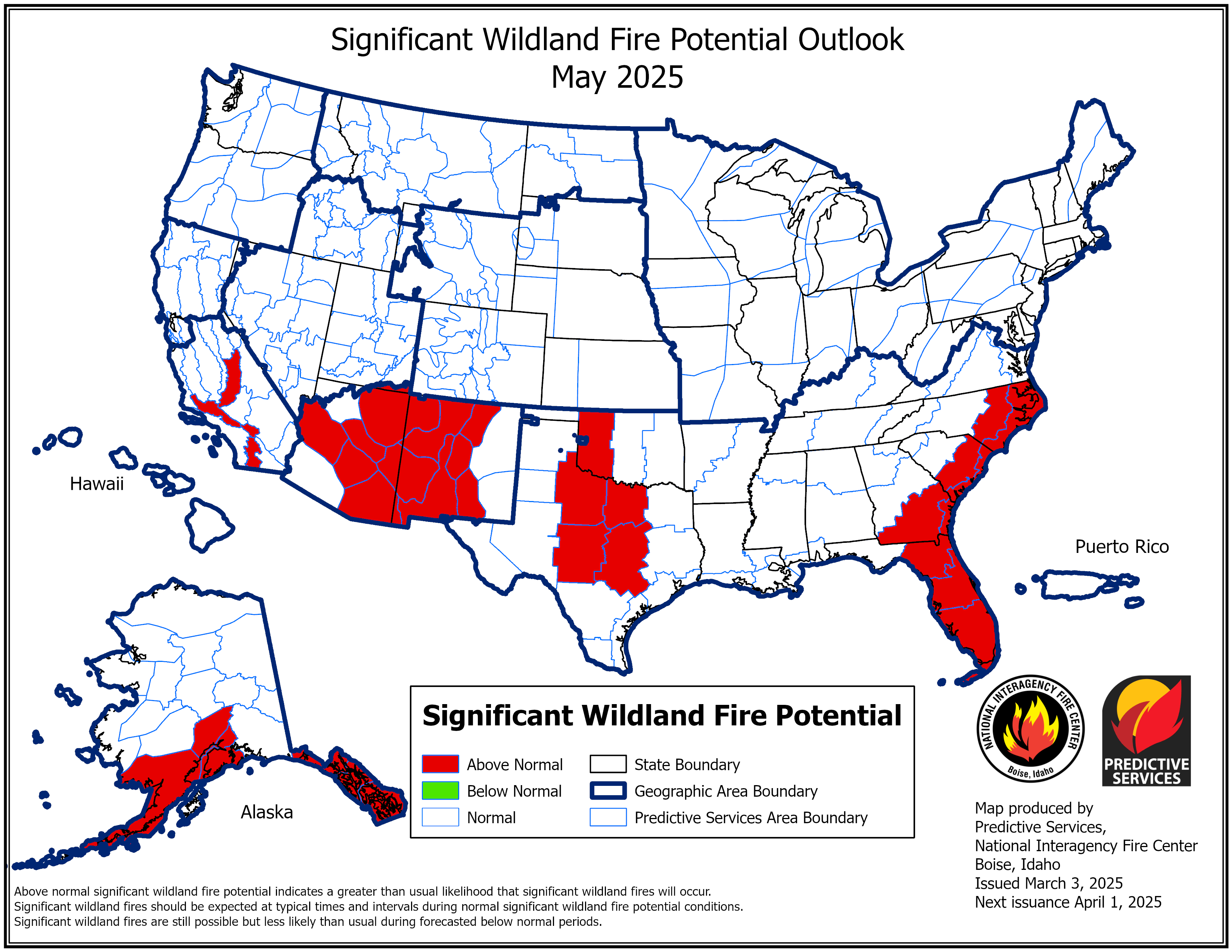
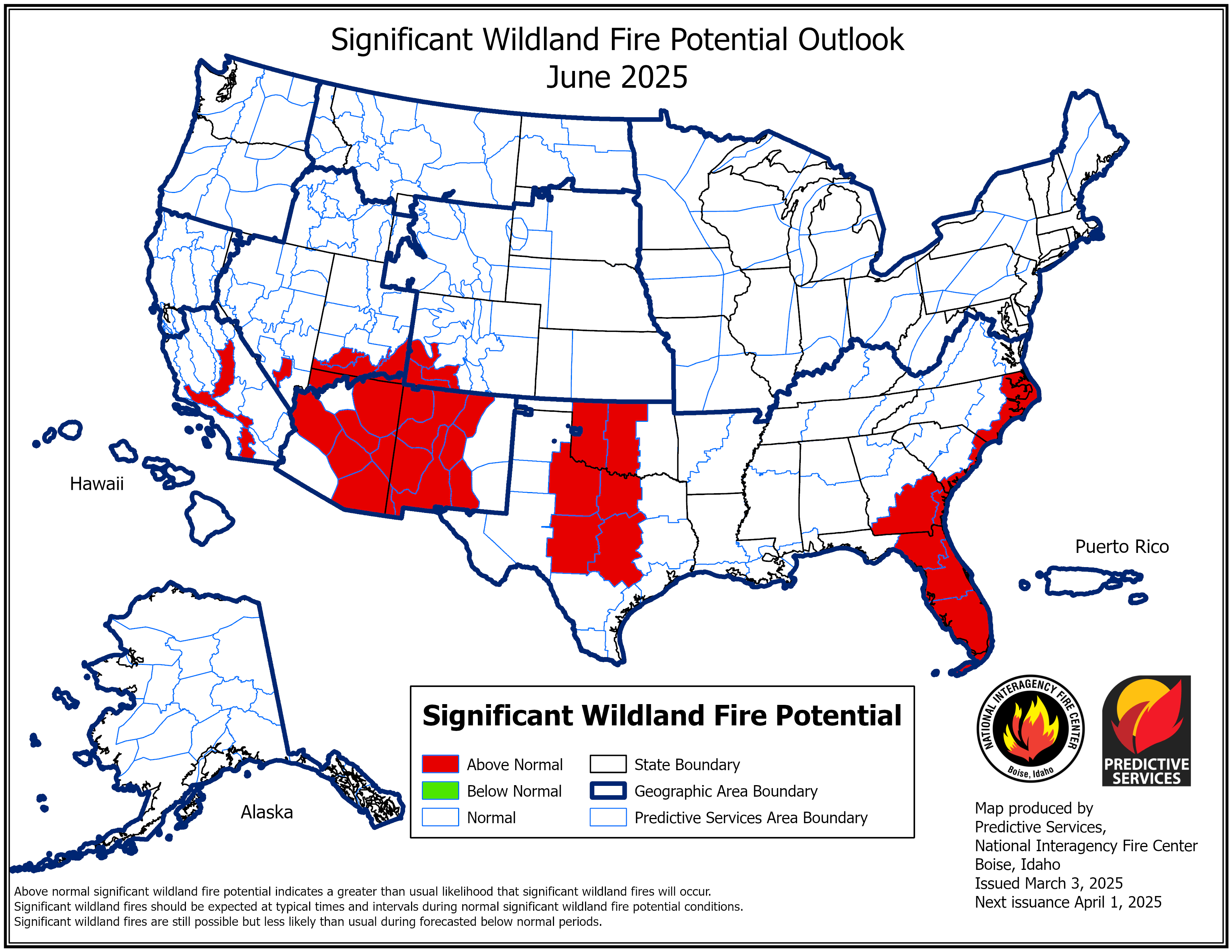
The National Interagency Fire Center publishes a map titled the National Wildland Significant Fire Potential Outlook, which it updates each month. The map shows the forecast for significant wildfires across the US over the sumer and fall. As you can see, most of Oregon is forecast to have significant wildfire potential in July, and all of Oregon is forecast to have significant wildfire potential in August and September.
These predictive maps are designed to provide multi-faceted, updated information for wildfire professionals to use before and during wildfires, so they can efficiently manage personnel and equipment to save lives, property, and natural resources.
How to prepare for wildfire season
We can all be better prepared for this wildfire season—plus we need to support longer-term measures like investing in government actions that work and taking the steps we each can to make our own homes, businesses, and communities more wildfire prepared. We urge readers to understand evacuation routes, know where your community’s safety shelters are, have your own evacuation plan, prepare a go-kit, and subscribe to various alerts, including OR-Alert and Watch Duty. Many of these suggestions are laid out in greater detail at WildfireReadyOregon.org.
Thanks to the Oregon Legislature passing Senate Bill 762 in 2021 and other bills since then, the OSFM and ODF have been able to update and place equipment and personnel in strategic locations around the state during wildfire season, so wildfires can be more efficiently and quickly addressed when they do occur, preventing them from becoming large and threatening communities with wildfire and smoke.
For example, the OSFM administers wildfire season staffing grants that enable local fire agencies to increase firefighters during wildfire fire season. The grants, up to $35,000 per agency, have proved successful in stopping fires before they have a chance to grow into a more costly response. You can find the full list of OSFM-funded wildfire risk reduction projects across Oregon in 2023 here.
Thanks to $25 million in funding from SB 762, the OSFM was also able to establish its Engine Program, which “focuses on purchasing and strategically deploying cutting-edge firefighting equipment across the state.” This map shows the dozens of communities that have benefited from new type 3 and type 6 engines and tactical tenders. These programs are especially meaningful in smaller communities and fire districts, which often depend heavily on local volunteers in wildfire season.
As past Wildfire Wednesday articles have described, SB 762 also established and funded programs and policies across 11 state agencies to make Oregonians and their communities more wildfire prepared and to reduce the risk of wildfires.
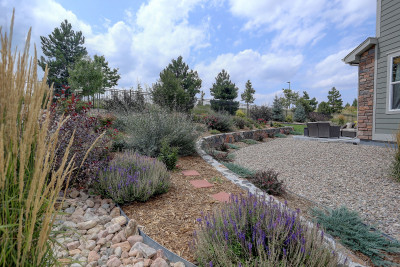
These are not “one and done” programs—for example, defensible space must be maintained; ensuring that new and most existing homes and businesses are built or retrofitted to meet wildfire resilient building codes will take decades; equipment needs to be upgraded and new personnel trained; evacuation and response routes need to be maintained; communication methods need to be updated; vulnerable populations need to be identified and assisted; and best practices need to be researched and integrated into these programs.
1000 Friends of Oregon supports continued investments in these programs, and in programs to reduce climate change overall. Our statewide land use program offers critical tools to reduce greenhouse gas pollution and sequester carbon, including:
- Programs that invest in non-vehicle transportation, like transit, walking, rolling and bicycling,
- Protection of farm and forest lands and natural areas that provide a multiple bottom line of sequestering carbon; producing food, fiber, and habitat; and supporting both a vibrant outdoor economy and robust agriculture industry, and
- Supporting compact, walkable towns and cities that grow community and avoid outward sprawl, increased amounts of impervious surfaces, and car-dependent developments.
While there are heightened risks right now, there are many actions we can take to keep our families and communities safer, now and in the future.
Next Wildfire Wednesday: A special piece from our partners at Sightline Institute.
See all Wildfire Wednesday content here